


Introduction: The Avian Wonders of Yangon
Beyond its bustling streets and historic pagodas, Yangon and its surroundings are a haven for birdlife. From the serene mangroves of the coastal estuaries to the lush canopies of its national parks, the region serves as a vital sanctuary for both resident species and weary migratory travelers. Whether you are a dedicated ornithologist or a nature-loving traveler, Yangon offers a remarkable gateway to explore Myanmar’s rich avian biodiversity within easy reach of the city.
Essential Birdwatching Tips
To ensure an rewarding and ethical experience, please keep the following tips in mind: Timing is Key: Birds are most active during the early morning (6:00 AM – 9:00 AM) and late afternoon. For coastal sites, always check the tidal charts as shorebirds gather most during high tide.
- Gear Up: Bring a pair of high-quality binoculars (8×42 is recommended) and a camera with a good zoom lens. A local field guide book and a birdwashing tour guide can help identify Myanmar’s unique species.
- Dress for the Habitat: Wear earth-toned clothing (green, brown, or grey) to blend in with nature. Long sleeves, a hat, and sturdy walking shoes or boots are essential for wetland and forest treks.
- Ethical Observation: Maintain silence and avoid sudden movements. Do not use bird-call playback during breeding seasons and never disturb nests or hatchlings. Remember: “Leave only footprints, take only photos.”
Moeyungyi Sanctuary
Experience Myanmar’s first Ramsar site, a 10359 hectare paradise for waterbirds. From colorful jacanas to migratory raptors, this is the ultimate destination for wetland biodiversity.
- Distance: 114 km from Yangon (approx. 2.5 hours drive).
- Key Species: Bronze-winged Jacana, Pheasant-tailed Jacana, Oriental Darter, Eastern Marsh Harrier, and Northern Pintail (winter).
- Highlight: A peaceful boat trip across the reservoir during sunrise or sunset.
- Stay: Overnight at Moeyungyi Wetland Resort for the best early-morning sightings.
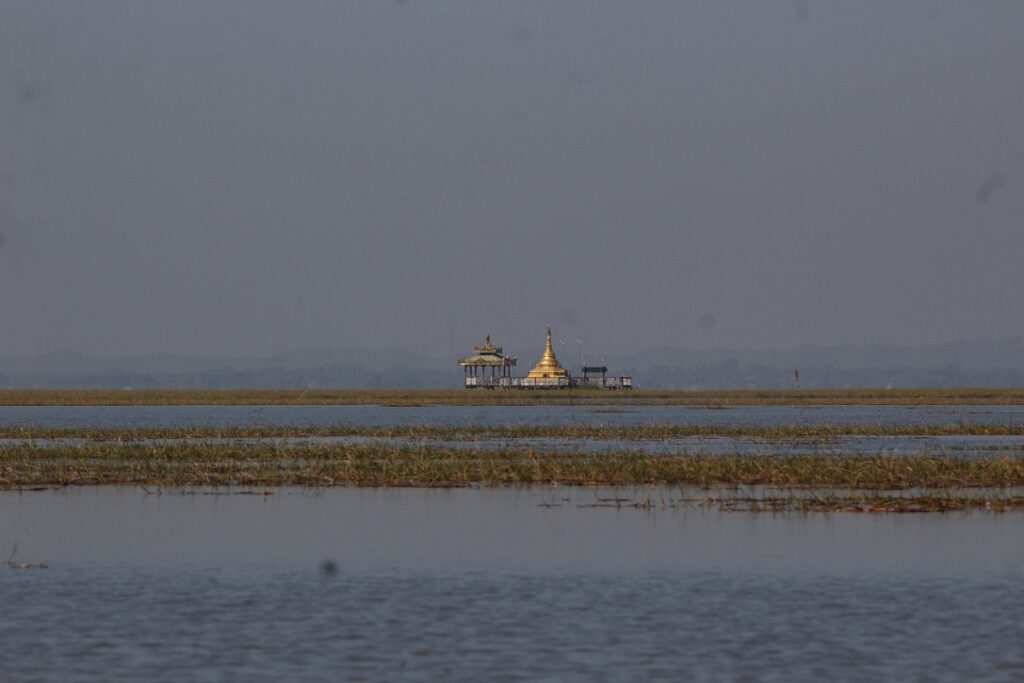
A temple at the center of the Moe Yun Gyi wetland © Ye Min Aung
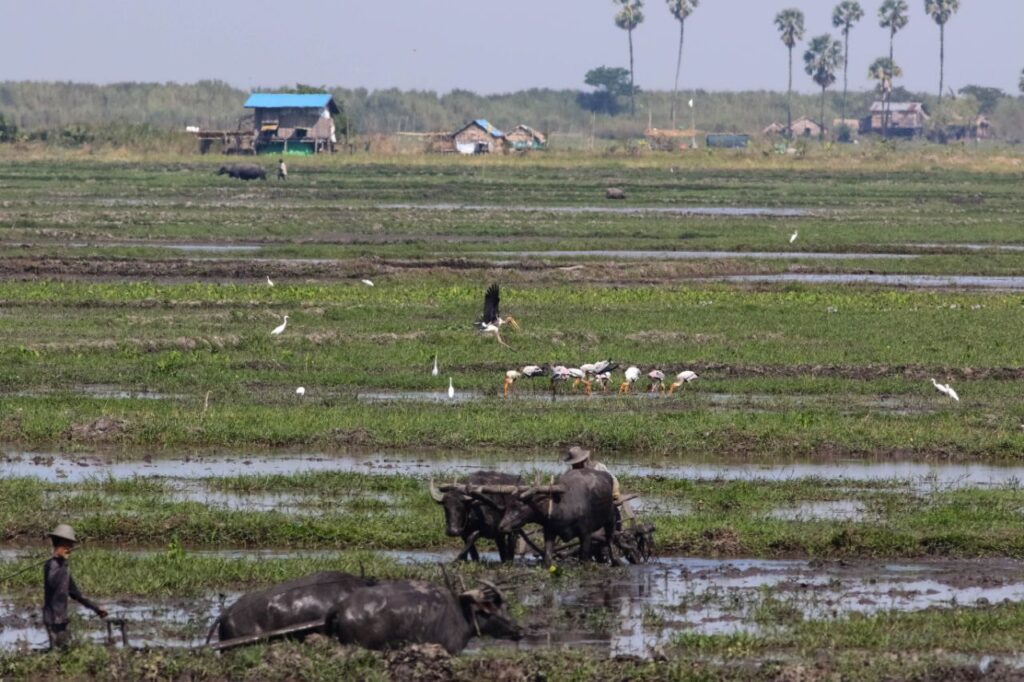
Painted Stork © Ye Min Aung
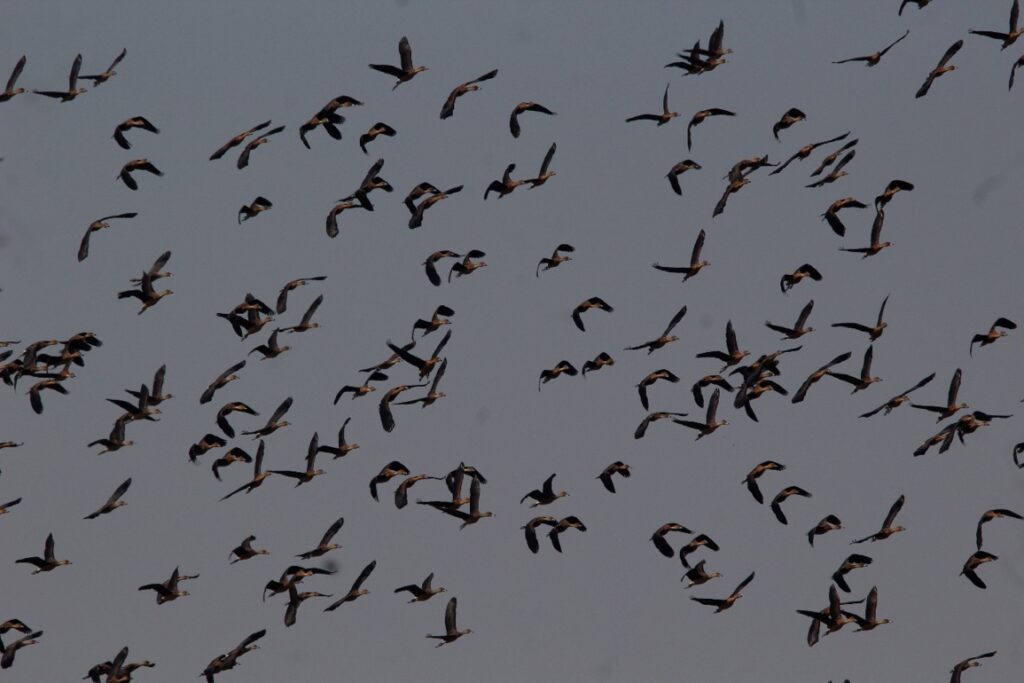
Fulvous duck © Ye Min Aung
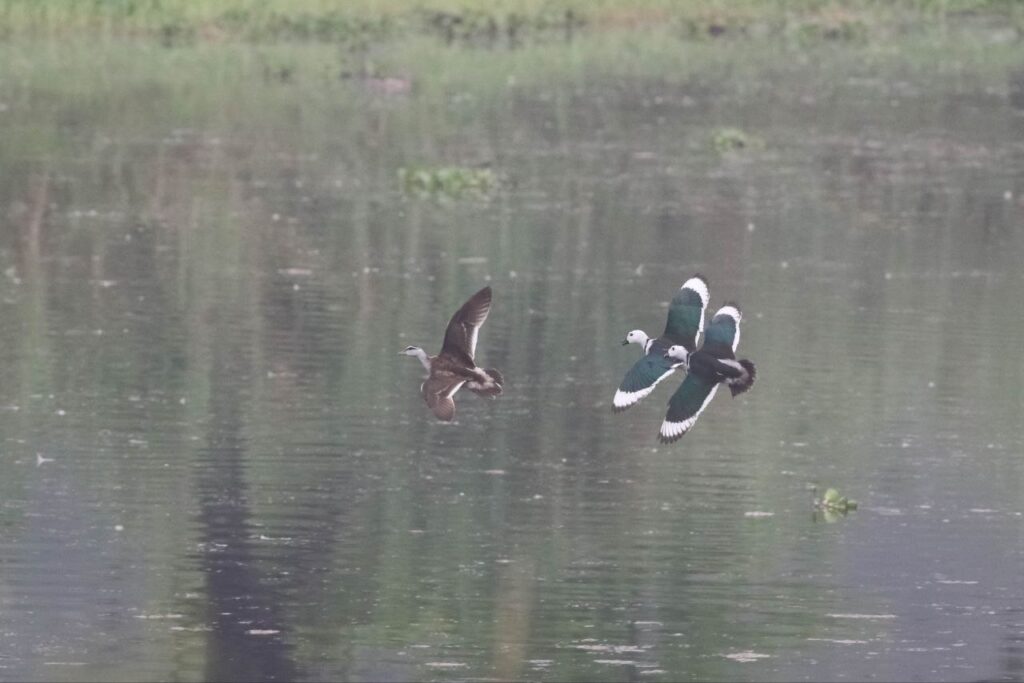
Cotton pygmy goose © Ye Min Aung
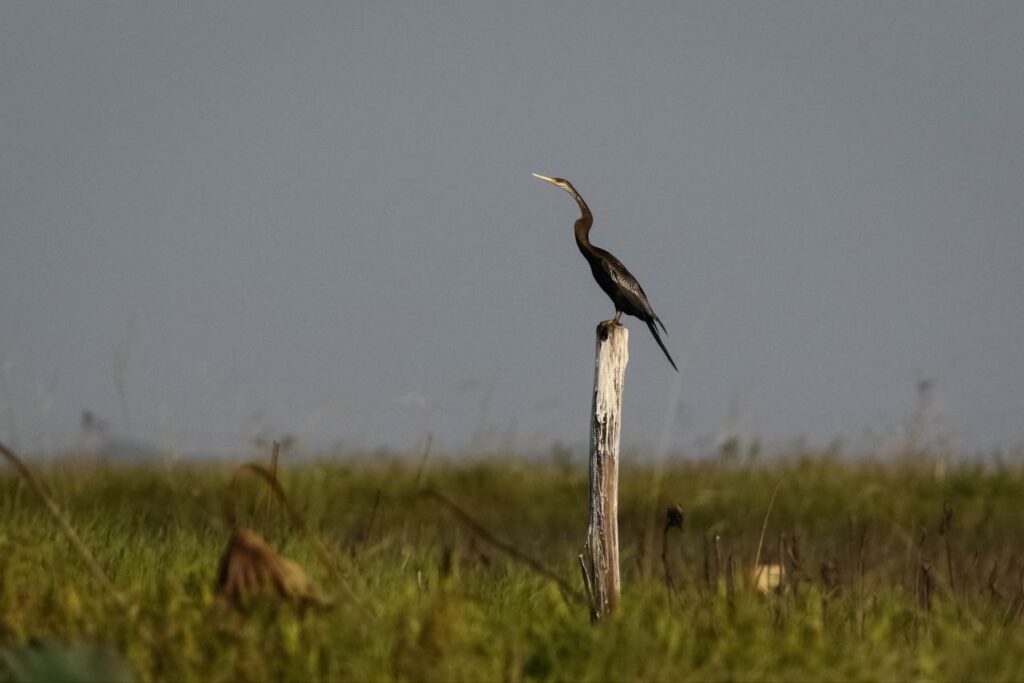
Oriental Darter © Ye Min Aung
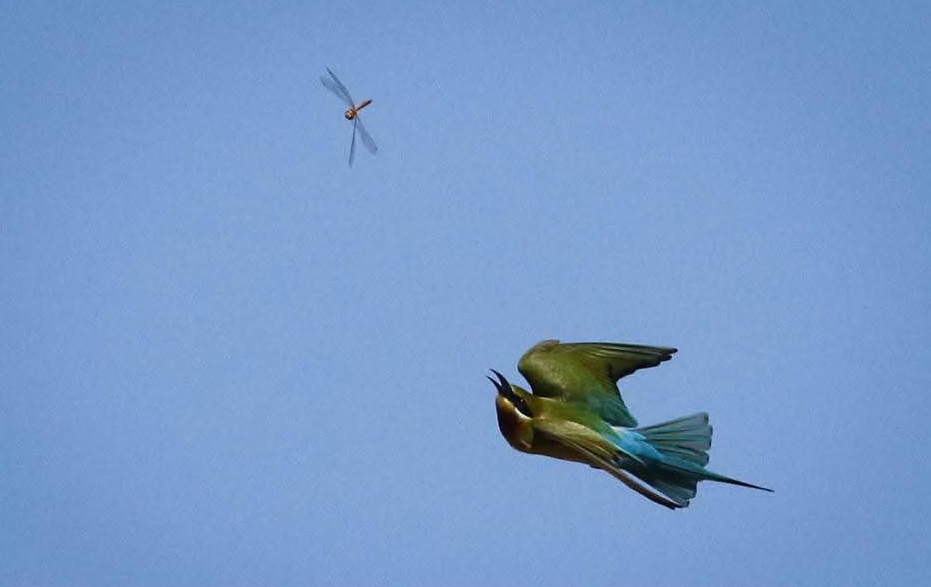
Blue-tailed Bee-eater © Ye Min Aung
Hlawga National Park
Just an hour from the city, Hlawga Park offers a diverse mosaic of forests and wetlands. It is the best place to find Myanmar’s endemic species and striking summer visitors like Pittas.
- Distance: 40 km from Yangon.
- Key Species: Pale-eyed Bulbul & White-throated Babbler (Endemics), Green Peafowl, Blue-winged Pitta & Hooded Pitta (May–August).
- Highlight: Forest trekking to spot over 190 bird species and Eld’s Deer in their natural habitat.
- Tip: Early morning is the best time for bird photography before the park visitors increase.
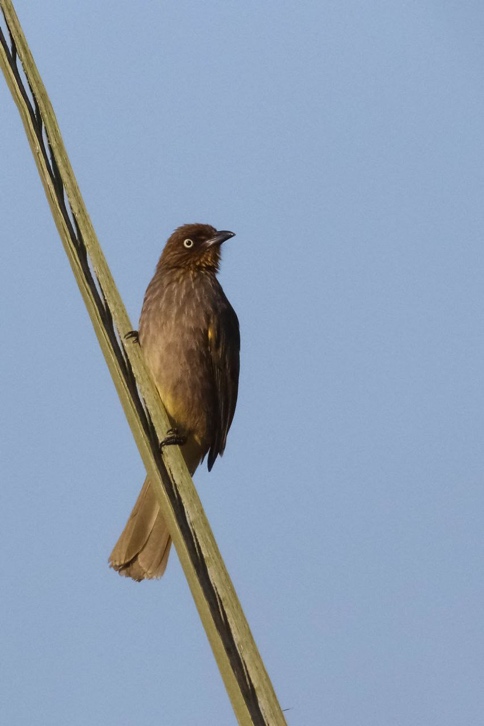
Pale-eyed bulbul © Ye Min Aung
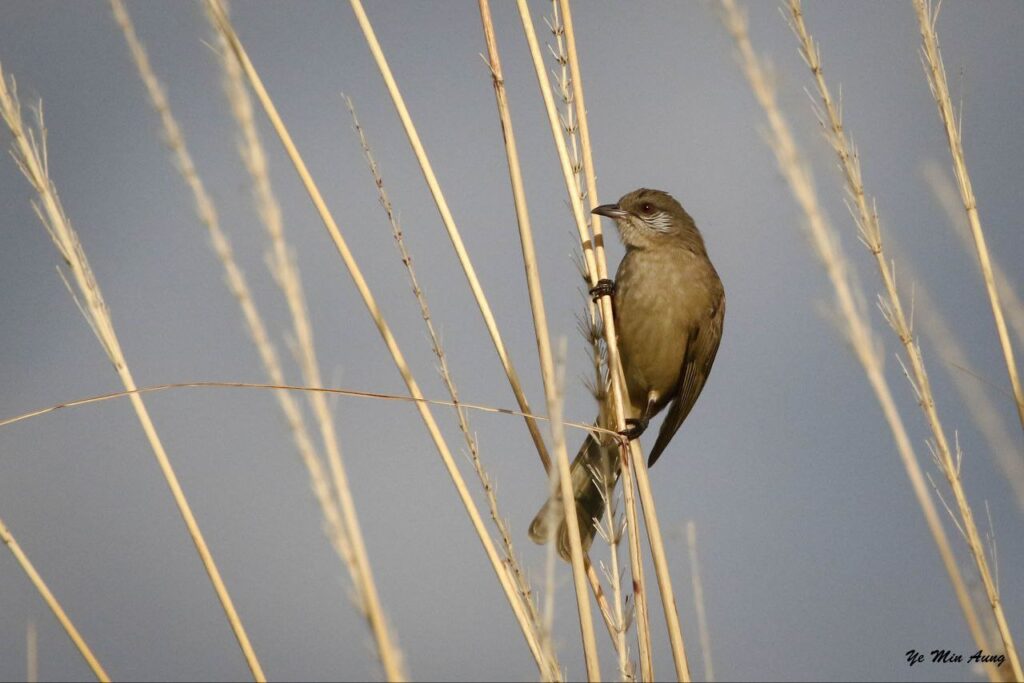
Ayeyarwaddy bulbul © Ye Min Aung
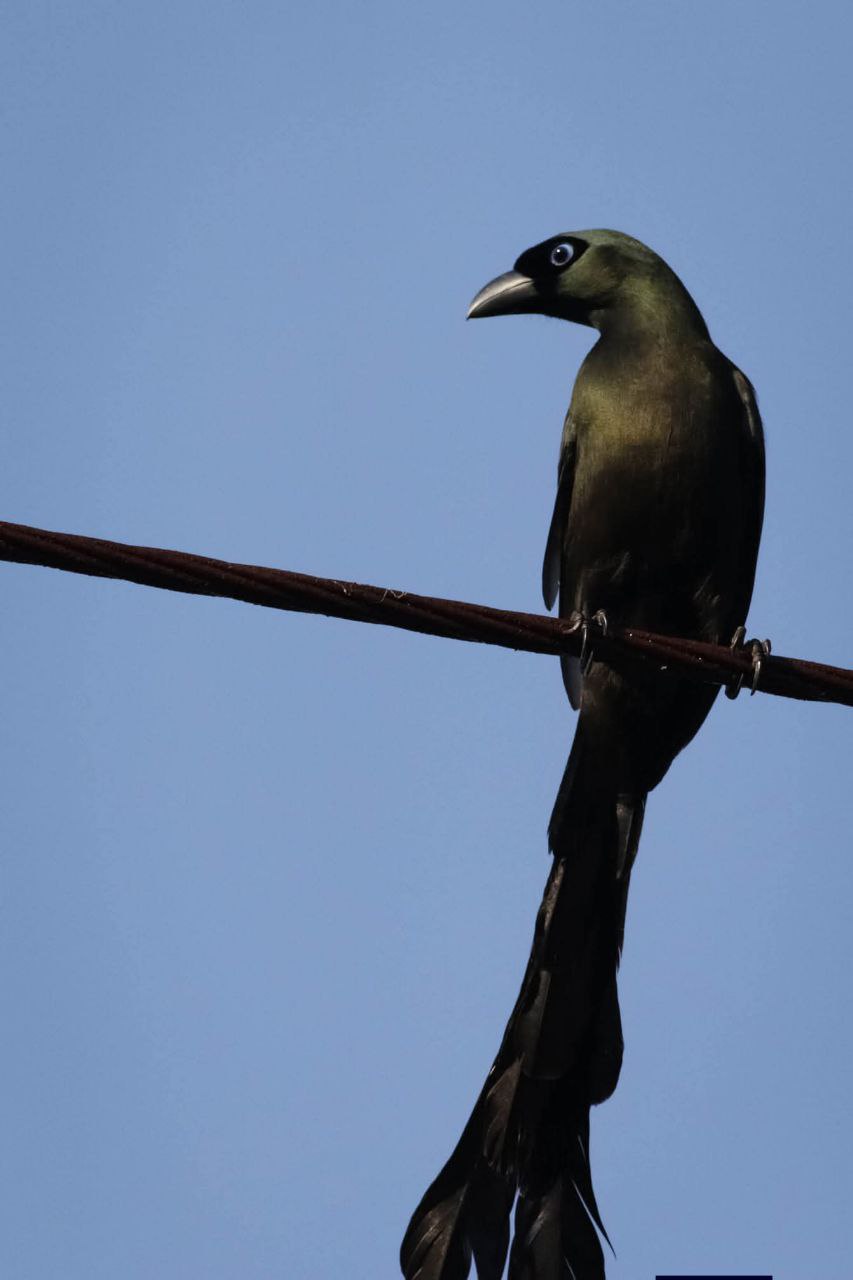
Racket-tailed Treepie © Ye Min Aung
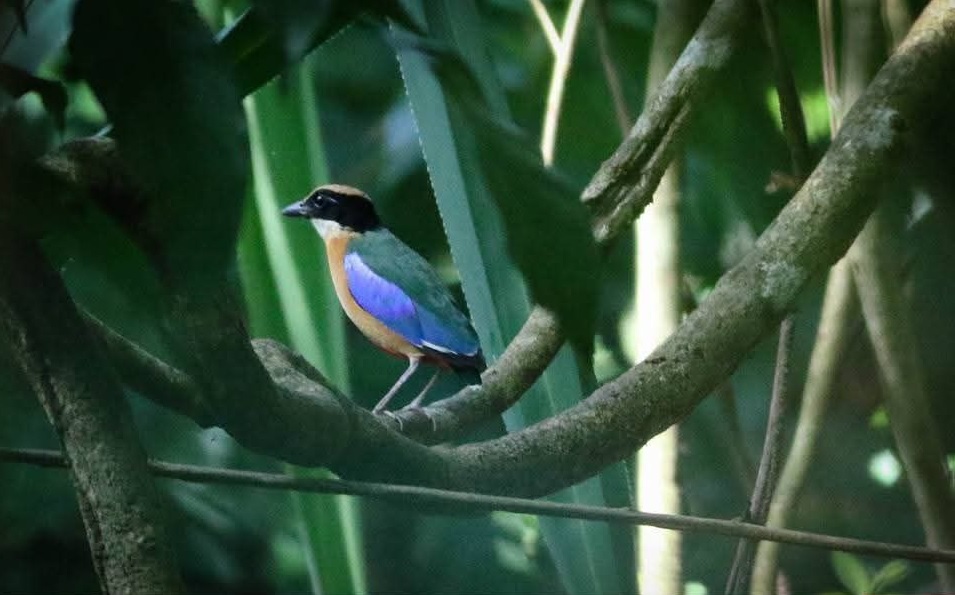
Blue-winged Pitta © Ye Min Aung
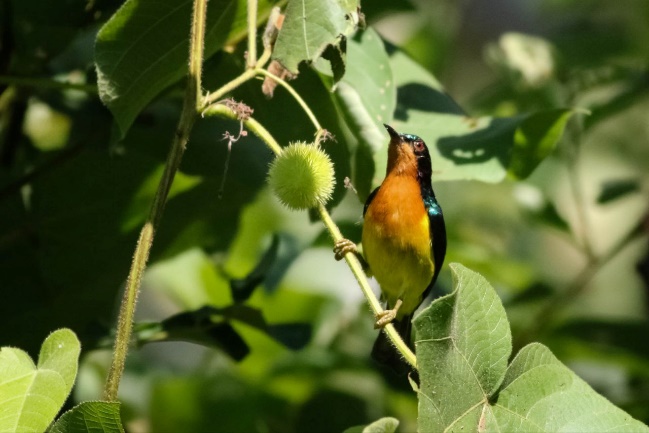 |
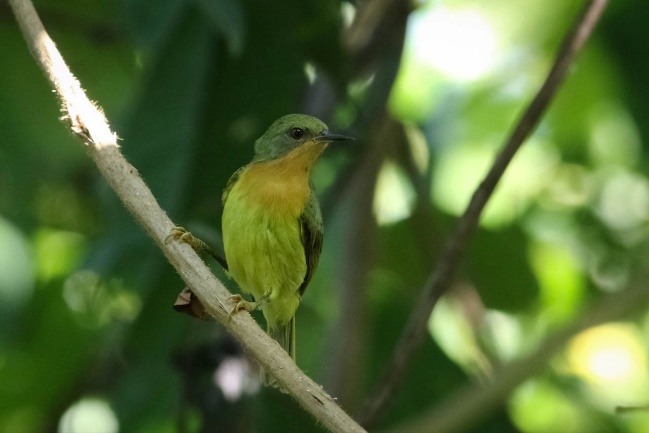 |
| Ruby-cheeked sunbird (Male) © Ye Min Aung | Ruby-cheeked sunbird (Female) © Ye Min Aung |
National Races Village
A unique blend of cultural heritage and nature. This accessible urban site features mangroves and woodland, providing a home to nearly 80 bird species right on the edge of the city.
- Distance: 10 km from downtown Yangon (15–30 mins).
- Key Species: White-throated Babbler (Endemic), Black-capped Kingfisher, Forest Wagtail, and Chestnut-winged Cuckoo (monsoon).
- Highlight: Spotting the endemic Babbler while exploring traditional ethnic houses and architecture.
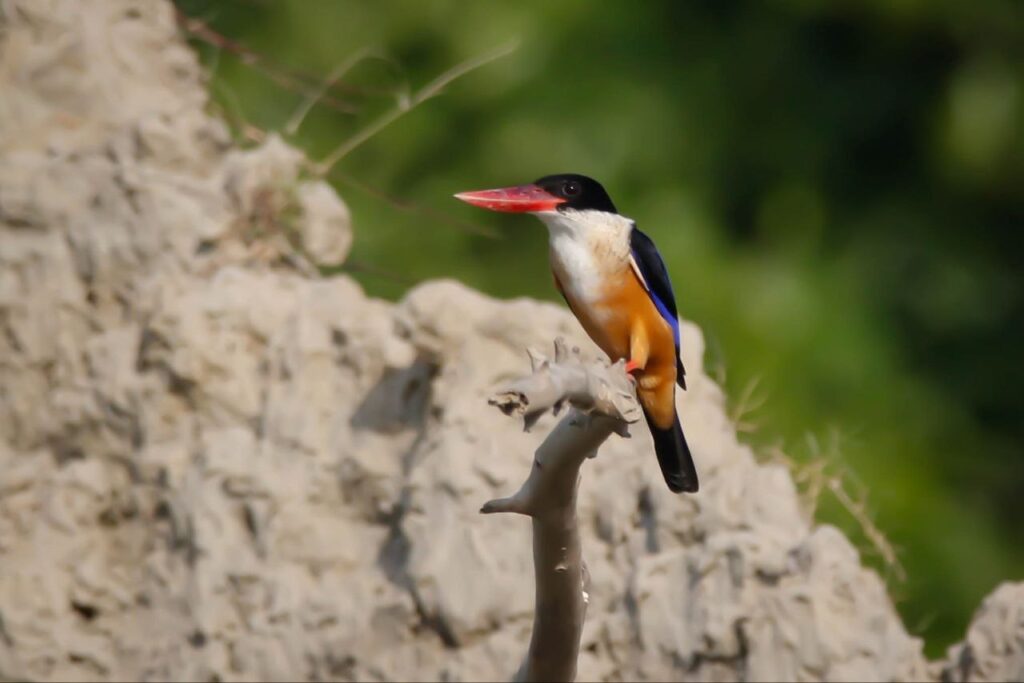
Black-capped Kingfisher © Ye Min Aung
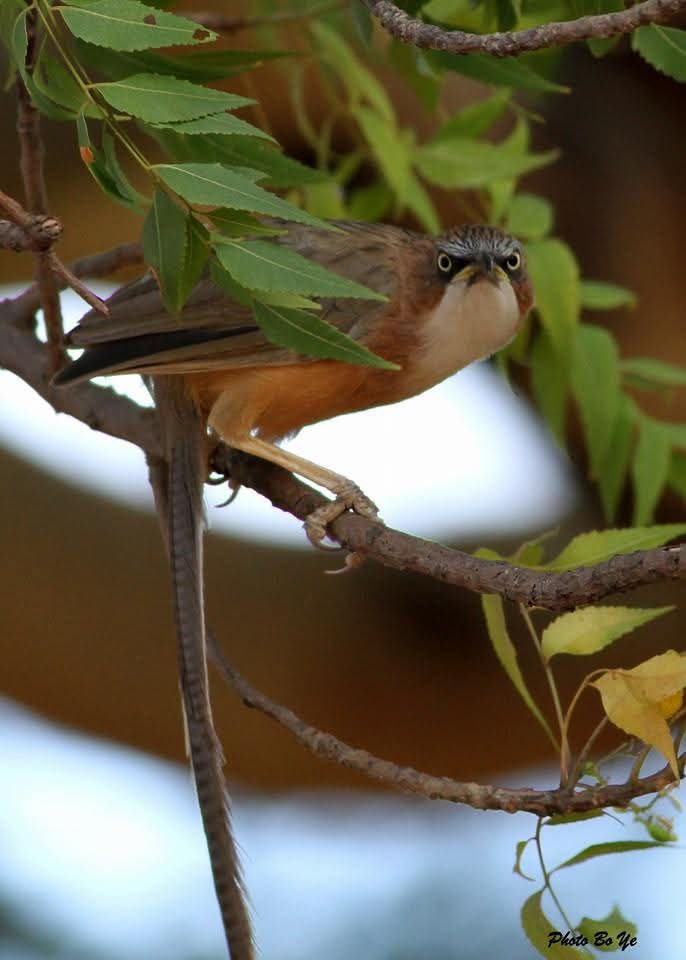
White-throated Babbler © Ye Min Aung
Mya Sein Thaung & Toe River Estuaries
1. Mya Sein Thaung Island (near Let Khote Kone Village)
Mya Sein Thaung is a small but ecologically significant island covering 180 hectares. Dominated by dense mangrove forests and 3.3 km of coastline, it serves as a critical resting place for over 5,000 wetland-dependent birds during the wintering season.
- Key Sightings: Nordmann’s Greenshank, Curlew Sandpiper, Grey Plover, and the elegant Black-headed Ibis and Painted Stork.
- Biodiversity: Home to 14 wader species and around 70 species of land birds.
2. Toe and Thandate River Estuaries
This 22-km stretch of coastline in Dedaye Township is a sanctuary for some of the world’s rarest birds. During high tide, massive flocks gather on sandbars, providing spectacular viewing opportunities.
- Rare Highlights: The Critically Endangered Spoon-billed Sandpiper has been sighted here in 2023 and 2025.
- Other Species: Great Knot, Sanderling, Terek Sandpiper, Ruddy Turnstone, and the colorful Yellow-breasted Bunting.
Travel Information
Route: Drive from Yangon via the Dala Bridge to Sel Eain Tan Village (approx. 2 hours).
- Transport: From the village, a 20-minute boat ride reaches Mya Sein Thaung Island. To reach Toe Beach, a boat crossing is required followed by a motorcycle hire to the roosting sites.
- ⚠️ Important: Boat crossings across the Toe River are not possible during low tide. You must plan your journey strictly according to the tidal schedule.
Best Time to Visit
Birdwatching is best during high tide, which occurs twice daily, as shorebirds gather in large flocks. An overnight trip is highly recommended to catch the best morning light and tidal conditions. For single-day trips, leave Yangon very early.
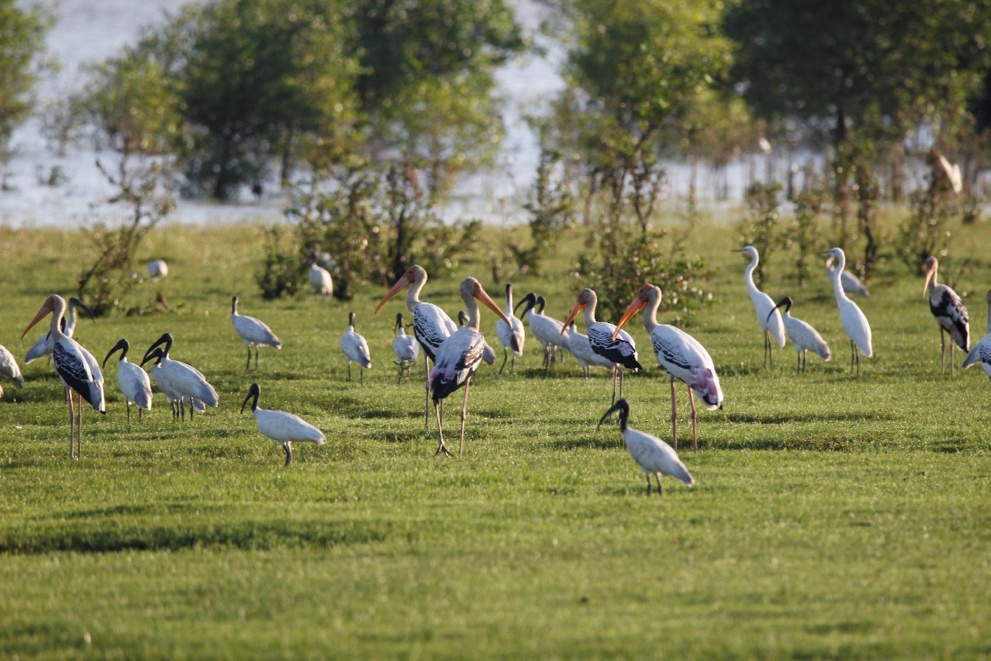
Black-headed Ibis and Painted Stork in Mya Sein Thaung Island © Ye Min Aung
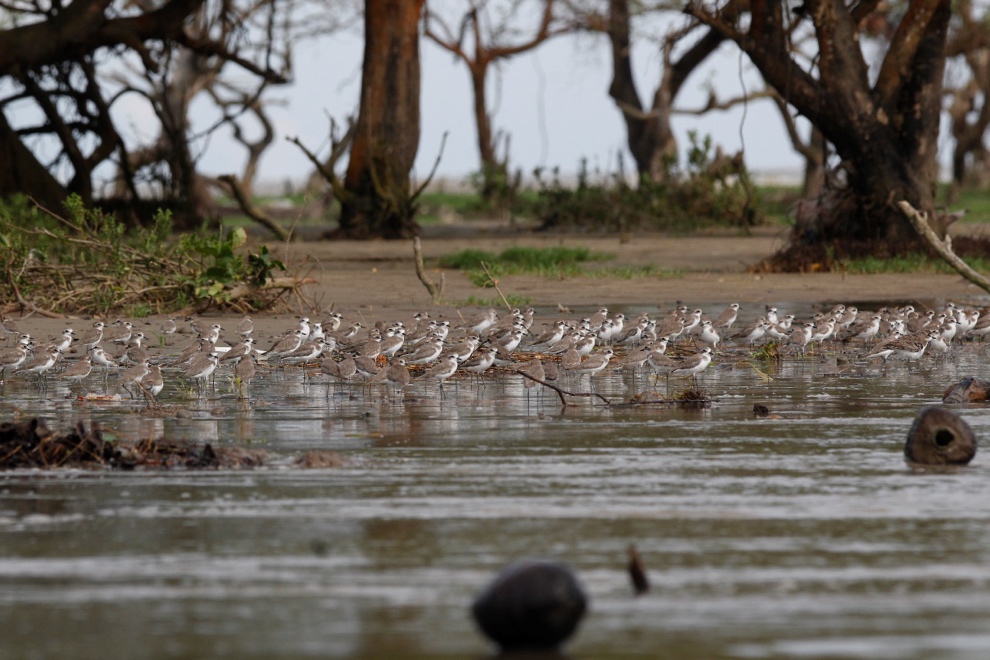
Some migratory shorebirds(plovers) in Mya Sein Thaung Island © Ye Min Aung
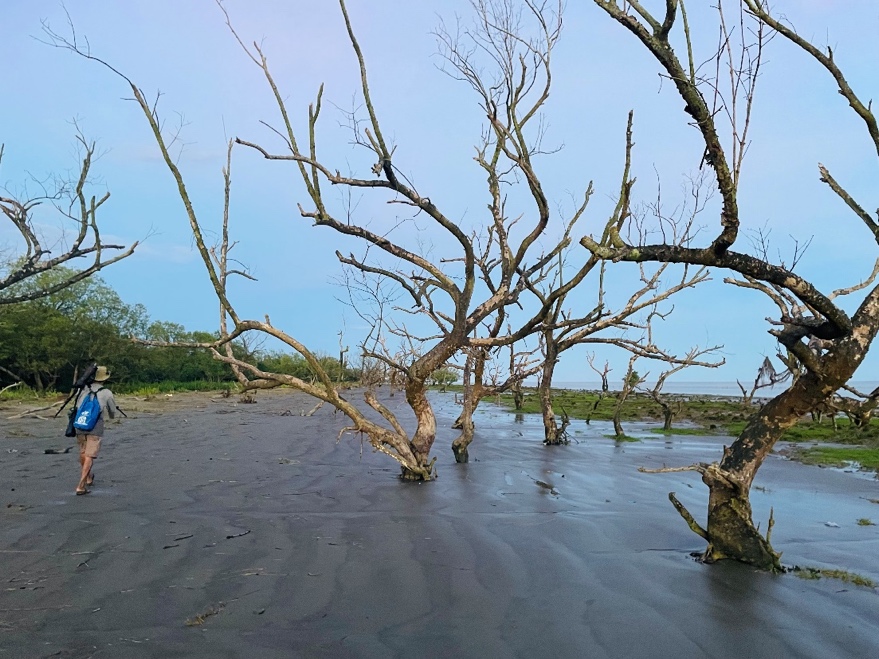
Drowned and Dead Mangroves in Mya Sein Thaung Island
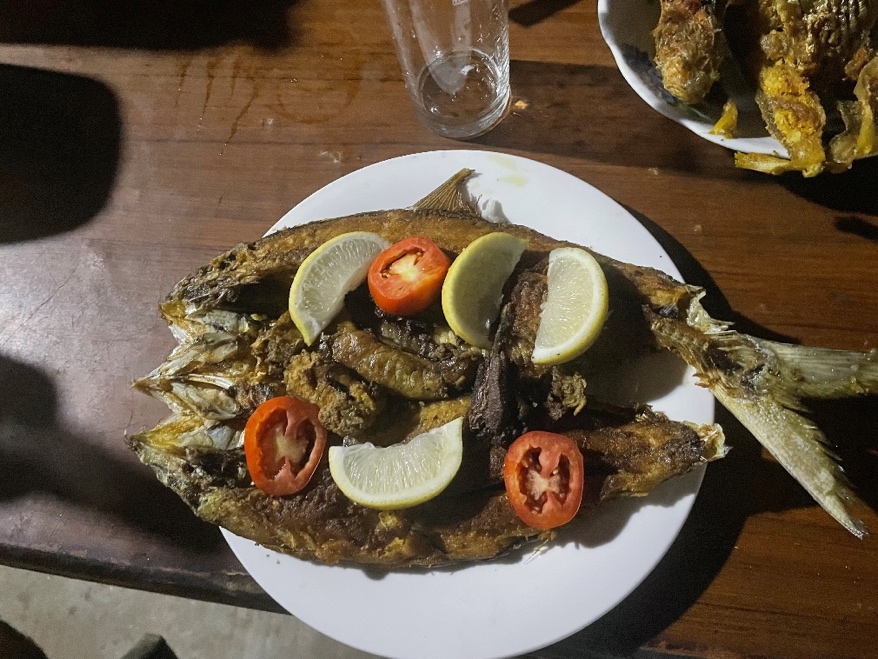
Fried Hilsa fish (Nga Tha Louk O Mauk)
Yangon Birdwatching: From the forest canopy to the coastal shores, discover the hidden wings of Yangon.
For more information on birdwatching, please contact “spoonietours@gmail.com”