


Mohinga
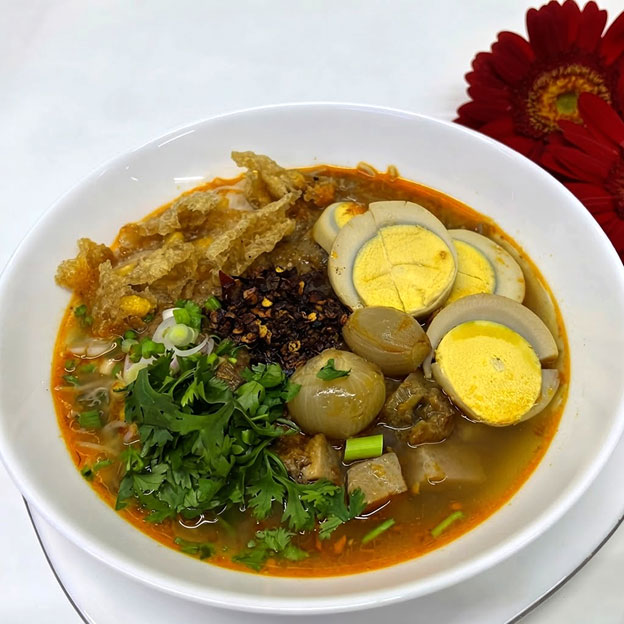
Your itinerary in Myanmar will never be complete without tasting Mohinga, the country’s ultimate national dish. Just as pizza is to Italy or sushi is to Japan, Mohinga is synonymous with Myanmar. This iconic comfort food features thin rice noodles served in a rich, aromatic fish broth infused with lemongrass, ginger, garlic, and tender banana stems. It is a savory, all-time favorite that locals relish from dawn until late at night.
The Anatomy of a Perfect Bowl
Serving Mohinga is a culinary art. To achieve the perfect flavor, the broth is kept piping hot in large metal pots and customized with delicious toppings at the table.
-
-
- The Toppings: Golden, crispy gourd fritters (Akyaw) which are the Myanmar equivalent to French fries, crispy fried onions, sliced fish cakes, and hard-boiled eggs.
- To Your Taste: Add a squeeze of fresh lime for a tangy twist, a sprinkle of crushed dried chili for a fiery kick, and fresh coriander leaves to heighten the aroma.
-
Regional Varieties: A Taste for Every Palate
While the basic ingredients remain simple and rich in proteins and minerals, each region in Myanmar boasts its own secret recipe:
-
-
- Lower Myanmar & Delta Style: Uses fresh caught fresh-water fish like catfish or carp, resulting in a perfectly balanced, savory broth. Coastal regions often incorporate marine fish.
- Upper Myanmar Style: Prefers a much thicker broth with a distinct undertone of roasted dahl (bean) flour.
- Rakhine Style: Famous for its fiery blend, incorporating a very liberal amount of hot chili pepper. Locally known as “Aap-lYap” (hot palate, hot tongue), it is a thrilling challenge for spicy food lovers!
-
Nutritional Insights & Calorie Count
As Myanmar’s lighter national dish, a fully loaded bowl of Mohinga with an egg and fritter averages around 450 to 500 calories (or just 300 to 350 calories for a plain bowl). It offers an excellent balance of complex carbohydrates from rice noodles and lean protein from the slow-simmered fish broth. It is naturally low in fat, making it an ideal choice for health-conscious travelers. If you want to keep it as light as possible, you can easily enjoy a pristine bowl by opting out of the deep-fried fritters.
Where to Find It?
Mohinga is truly the ultimate street food of Yangon. You can experience it everywhere—from sophisticated, air-conditioned local restaurants and high-end shopping centers to bustling local wet markets, school canteens, and traditional pavement stalls. Don’t miss the sight of itinerant vendors traversing the streets with pushcarts, ready to serve you a steaming bowl instantly.
Nangyi Thoke
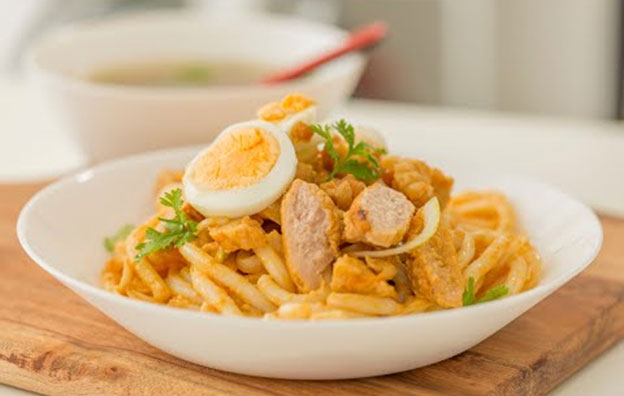
Often celebrated as the Myanmar version of spaghetti, Nangyi Thoke is a beloved traditional noodle salad that offers a burst of rich, savory flavors. Originating from the cultural heart of Mandalay, this hearty dish features thick, round, and chewy rice noodles tossed beautifully with a flavorful chicken curry. It is a vibrant, golden-hued culinary masterpiece that stands alongside Mohinga as a top choice for a satisfying breakfast or a fulfilling lunch.
The Anatomy of a Perfect Bowl
Preparing Nangyi Thoke is a visual and sensory art, typically tossed thoroughly by hand to ensure every single thick noodle is evenly coated in flavor and oil.
-
-
- The Base & Color: Thick, chewy rice noodles dressed in aromatic turmeric oil, which gives the dish its iconic, vibrant golden glow.
- The Rich Flavor: Infused with cooked shredded chicken curry and a generous dusting of toasted chickpea flour to create a deeply savory and nutty profile.
- The Textures & Toppings: Garnished with crispy fried onions, sliced boiled eggs, and fresh cilantro (coriander) to add distinct layers of crunch and freshness.
-
How to Best Savor It?
To achieve the ultimate flavor balance, diners traditionally finish the dish with a generous squeeze of fresh lime juice to cut through the rich, savory base. Each plate is traditionally served with a side of piping hot, light pepper broth to cleanse the palate between bites, creating a flawless harmony of tastes.
Nutritional Insights & Calorie Count
This hearty, heavy salad is designed to provide high energy, with a standard chicken and egg plate containing about 550 to 650 calories (reaching up to 750 calories with added fritters). The high calorie count is due to its dense, thick rice noodles and the flavorful seasoning oil used to coat them, though it also offers substantial protein from the chicken curry. To enjoy a lighter version, you can request less seasoning oil and double up on fresh cilantro and lime for a refreshing twist.
Where to Find It?
While it is a staple of Mandalay cuisine, you can easily discover fantastic Nangyi Thoke all over Yangon. From specialized local noodle shops and traditional tea houses to upscale shopping malls and hotel dining rooms, this dish is universally celebrated.
Ohn No Kauk Swe (Noodle in Coconut Chicken Soup)
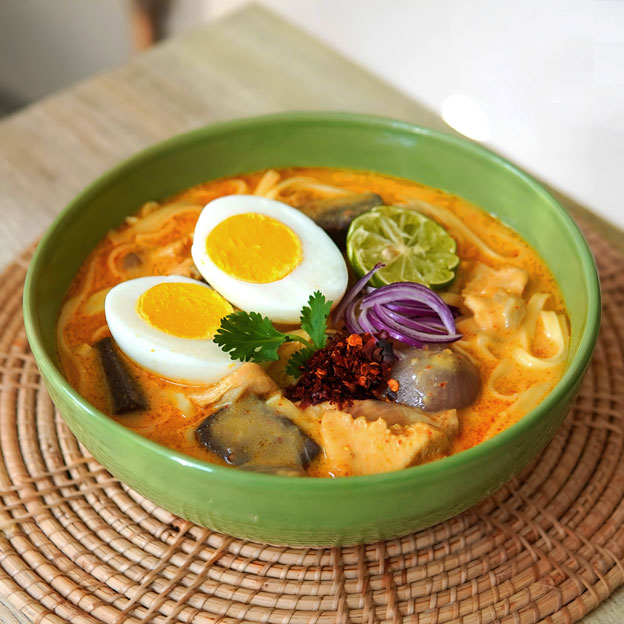
Standing proudly alongside Mohinga as one of Myanmar’s most celebrated noodle dishes, Ohn No Kauk Swe (Noodle in Coconut Chicken Soup) is a culinary masterpiece of pure comfort. This universally loved dish features tender wheat noodles bathed in a rich, creamy, and aromatic broth made from coconut milk and chicken, thickened with roasted chickpea flour. It is a savory and mildly sweet delight that has inspired famous adaptations across the globe, making it a must-try for every traveler.
The Anatomy of a Perfect Bowl
Crafting the perfect bowl of Ohn No Kauk Swe requires achieving a delicate balance between the rich, creamy texture of the broth and a vibrant array of crunchy toppings.
-
-
- The Broth: A slow-simmered, rich chicken stock mixed perfectly with premium coconut milk and roasted chickpea flour, giving it a comforting, velvety texture.
- The Protein: Tender, bite-sized pieces of chicken seasoned with fish sauce, a touch of turmeric, and chili powder, carefully simmered until flavorful.
- The Sweet Onions: Whole or quartered onions are cooked directly in the boiling broth, adding a natural, subtle sweetness to the soup.
-
How to Best Savor It?
To fully enjoy this dish, the hot coconut soup is poured over fresh wheat noodles and beautifully garnished at the table. Diners traditionally top their bowl with sliced hard-boiled eggs, raw thinly sliced onions (washed and drained to retain a crisp texture), a dash of dried chili flakes for a spicy contrast, and a heavy squeeze of fresh lime to balance the coconut’s richness. For the ultimate crunch, it is often topped with crispy fried bean fritters.
Nutritional Insights & Calorie Count
Ohn No Kauk Swe is a rich, comforting luxury that ranges from 600 to 700 calories for a regular bowl, and can reach up to 750 to 850 calories when fully loaded with crispy bean fritters. It gets its velvety texture from pure coconut milk, which is high in energy and rich fats. Combined with wheat noodles, it is the most calorie-dense noodle dish in local cuisine. While it is perfect for a satisfying feast, you can balance the meal by asking for more broth with fewer wheat noodles, and adding an extra boiled egg for protein instead of fritters.
Where to Find It?
Ohn No Kauk Swe is deeply woven into the daily lifestyle of Yangon. You can enjoy a steaming bowl at almost any traditional Myanmar teahouse, local breakfast stalls, high-end shopping mall food courts, and specialized traditional restaurants across the city.
Shan Kauk Swe / Shan Soaked Noodles
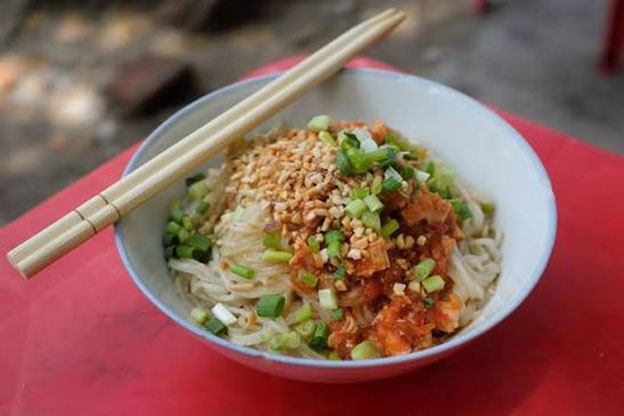
Gaining immense popularity both locally and internationally, Shan Kauk Swe (traditionally known as Shan Soaked Noodles) is a true comfort dish of indigenous Shan heritage. This comforting meal features delicate rice noodles—either made from standard wetland rice or the famously sticky, glutinous Shan rice variety. Available in both a soothing soup (Wet) or an intensely flavorful salad (Dry), these noodles are topped with a distinct tomato-based meat or meatless gravy, making it a refreshing yet deeply satisfying culinary staple.
The Anatomy of a Perfect Bowl
A masterpiece of texture and balance, a traditional bowl of Shan Noodles is built from distinct, meticulous layers that blend into perfect harmony.
-
-
- The Noodle Base: Freshly rolled and cut rice noodle strands (Skeins) that are traditionally soaked and briefly blanched in hot water, giving them a perfectly tender, translucent, and slightly chewy texture.
- The Tomato Garnish: A savory sauce made from rich, mashed local tomatoes simmered with oil, ginger, garlic, shrimp paste (or dried shrimp), and aromatic Shan spices like Shauk-kaw and Pauk-kaw.
- The Side Dishes: Traditionally accompanied by crispy fried bean curd (Tofu), pickled pork, crunchy Nampong (fried calfhide), and the essential sour Shan pickles (Mon-nyin-chin) to balance the meal.
-
Nutritional Insights & Calorie Count
Shan Kauk Swe is highly favored by health-conscious foodies because it is generally lighter and lower in fat compared to coconut or heavily oiled noodle dishes. A standard bowl of Shan Noodles (Soup or Dry) averages around 350 to 450 calories. The tomato-based sauce is rich in vitamins and minerals, while the rice noodles offer clean carbohydrates. If you enjoy it with the traditional side of fried tofu or crispy fritters, it adds about 100 to 150 calories, bringing a fully loaded meal to around 500 to 600 calories. You can easily keep it light and vibrant by focusing on the refreshing Shan pickle and broth!
Where to Find It?
While it is a proud cultural treasure of the Shan State, wonderful Shan Kauk Swe can be easily found throughout Yangon. It is a staple at almost every local Yangon teahouse, traditional breakfast spot, specialized Shan restaurants, and modern shopping mall food courts.
Yangon Kyay Oh
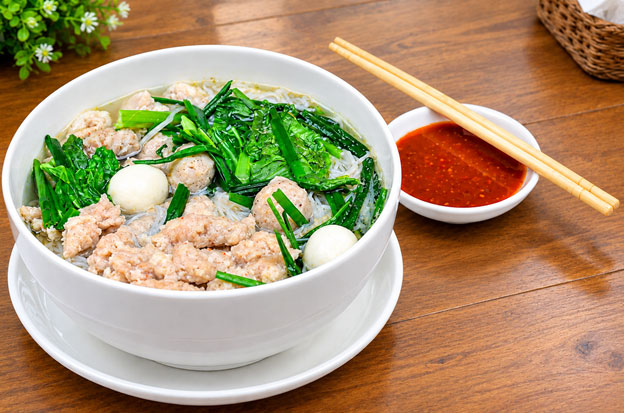
Kyay Oh is another undisputed jewel of Myanmar’s culinary heritage and a beloved staple of Yangon’s vibrant food scene. Originally introduced by the Chinese-Myanmar community, this hearty and comforting noodle dish has evolved into a uniquely local national favorite. The name “Kyay Oh” literally translates to “copper pot,” referring to the traditional copper cookware in which individual portions are freshly brewed and served to keep the soup piping hot.
The Anatomy of a Perfect Bowl
A classic bowl of Kyay Oh is a rich, savory feast packed with texture and flavor. It traditionally features delicate rice vermicelli (or flat rice noodles), tender mustard greens (bok choy), soft-boiled or quail eggs, and perfectly seasoned, melt-in-your-mouth meatballs.
-
-
- The Broth: Slow-simmered using pork bones (or chicken/fish for non-pork options), resulting in a clear, deep, and aromatic soup infused with natural sweetness.
- The Toppings: Crispy garlic sprinkles, finely chopped spring onions, triangular-shaped tofu, or golden fried meat dumplings (wontons) that add an irresistible crunch.
- To Your Taste: Kyay Oh is always accompanied by a signature tangy dip made from pureed red tomatoes, garlic, and fresh green chilies, allowing you to customize the heat and acidity of every bite.
-
Serving Varieties: Soup vs. Dry
While the original recipe is served in a boiling broth, Kyay Oh comes in two distinct styles to suit every mood:
-
-
- Kyay Oh Soup (ကြေးအိုး): The timeless classic, served steaming hot in broth with noodles, veggies, meat, and eggs—perfect for rainy days or a soothing dinner.
- Kyay Oh Sichet / Dry (ကြေးအိုးဆီချက်): The brothless version, where the noodles and toppings are tossed in fragrant toasted garlic oil, soy sauce, and white pepper. It is served with a small bowl of side soup and remains an incredibly popular choice among young locals.
-
Nutritional Insights & Calorie Count
Kyay Oh is a well-rounded, protein-packed meal rich in essential nutrients, iron, and fiber from the leafy greens. A standard bowl of Kyay Oh Soup ranges between 400 to 500 calories, offering a lean source of energy. The Dry (Sichet) version is slightly richer due to the garlic oil, averaging around 550 to 650 calories. For a lighter option, travelers can easily opt for chicken or fish broth with extra greens and reduced oil.
Where to Find It in Yangon?
From historic family-run joints to nationwide franchises, Yangon is home to the country’s best Kyay Oh spots. Here are 5 famous places to try:
-
- YKKO (Yankin Kyay Oh): The pioneer chain that brought Kyay Oh into modern, air-conditioned dining across Myanmar since 1988. (Flagship branch on Sayar San Road)
- Aung Myint Mo: A legendary local favorite in Lanmadaw Township, famous for its big, generous bowls filled with flavorful meat delights.
- Shwe Taung Tan: Located on Shwe Taung Tan Street, this heritage spot has maintained its rich, authentic recipe and budget-friendly prices for decades.
- Phone Gyi Street Kyay Oh: Renowned for its rich broth and traditional street-side vibe in downtown Yangon.
Eugenia Cafe: Known for high-quality, fresh ingredients and a cozy cafe atmosphere on Baho Road.