


Laphet Thoke / Fermented Tea Leaf Salad
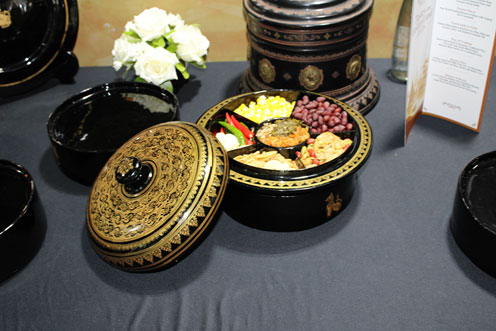
If there is one dish that truly defines the soul of Myanmar’s culinary culture beyond noodles, it is Laphet Thoke (Fermented Tea Leaf Salad). Myanmar is one of the very few countries in the world where tea is not only drunk but also eaten. This unique, traditional delicacy features a complex flavor profile that beautifully blends light sweetness, savory richness, sourness, and a pleasant hint of bitterness. Symbolizing friendship, hospitality, and peace, a plate of Laphet is an essential staple at weddings, merit-sharing ceremonies, and everyday social gatherings.
The Anatomy of a Perfect Plate
A marvelous orchestra of textures, a perfect plate of Laphet Thoke strikes a legendary balance between soft, fermented herbal leaves and an ultra-crunchy mix of traditional nuts.
-
-
- The Sacred Base: Hand-plucked gently from the misty, high-altitude Palaung Hills in Northeast Myanmar (over 4,000 feet above sea level), the finest young tea sprouts are steamed, rolled, and fermented under heavy stones to create a tender, flavorful herbal paste.
- The Crunch Mix: High-quality crispy fried garlic, toasted sesame seeds, crunchy peanuts, and a vibrant variety of double-fried local beans that provide a satisfying crunch in every single bite.
- Fresh Enhancers: Tossed dynamically with fresh diced tomatoes, finely shredded cabbage, dried shrimp, green chilies for a spicy kick, and a heavy squeeze of fresh lime juice.
-
A Variety for Every Palate
Laphet is highly versatile, ranging from Cho-seint (Sweet & Tasty) and Chin-sat (Sour & Spicy) to refreshing Pickled Ginger mixes. Depending on the town and occasion, you can discover countless versions—from the traditional “Lu Gyi Thoke” (Elders’ mild salad) and “Mandalay Salad” to the fiery, street-popular “Shu Shae” (Extra Spicy) and the colorful “Kyat Chay Ni” (Red Cross) salad. Legendary local manufacturers like Yuzana, Shwe Toat, and Ayee Taung ensure premium quality packaged Laphet is accessible everywhere.
Nutritional Insights & Calorie Count
Packed with antioxidants from fermented tea leaves and healthy plant-based fats from nuts, Laphet Thoke is incredibly nutritious. A standard shared plate or side portion averages around 250 to 350 calories. However, because it contains rich seasoning oil and calorie-dense fried nuts, a large, fully-loaded main dish serving can range from 450 to 550 calories. It serves as a fantastic, natural energy booster and a digestion aid after a heavy meal. To keep it light, you can easily ask for less oil (Hsi-shawt) and pile on more fresh tomatoes and cabbage!
Where to Experience It?
In Yangon, Laphet Thoke is an unmissable experience. It is proudly served in every traditional Myanmar teahouse, authentic local restaurants, upscale hotels during cultural events, and high-end shopping center dining courts.
Kauk Hnyin Paung / Steamed Glutinous Rice
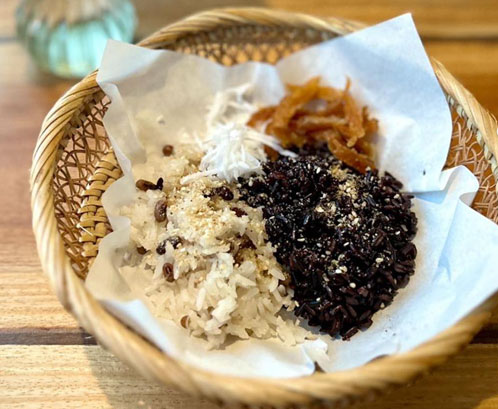
As the cool winter breeze replaces the rainy season around the Thadingyut festival (October), Myanmar’s fields turn into endless horizons of golden, ripening paddy. Celebrating this bountiful harvest, Kauk Hnyin Paung (Steamed Glutinous Rice) shines as the ultimate time-tested traditional breakfast snack. Available in both classic white and rich purple varieties, this beautifully simple yet deeply satisfying dish represents the humble, smiling soul of the Golden Land, remaining a beloved staple for both rural communities and high-end official gatherings alike.
The Anatomy of a Perfect Plate
Serving Kauk Hnyin Paung is an art of rustic balance, combining the sticky, hot texture of freshly steamed grains with highly aromatic, savory, and crunchy elements.
-
-
- The Steamed Base: Premium glutinous rice is thoroughly washed, soaked, and steamed to perfection in a traditional multi-tier steamer. Midway through cooking, soft boiled brown peas (Pae Pyoke) are scattered over the rice, embedding a soft, nutty texture into the sticky grains.
- The Fragrant Dusting: Steaming plates are topped liberally with fresh, juicy shredded white coconut kernel and a generous dash of Sesame Salt—made from slow-roasted sesame seeds pounded with a hint of salt to release a heavenly aroma.
- The Golden Accompaniments: To make the feast complete, it is traditionally paired with golden tempura-battered crispy gourd fritters (Akyaw), fried onions, or savory charcoal-grilled dried salted fish, all washed down with steaming hot Green Tea.
-
Nutritional Insights & Calorie Count
Glutinous rice is highly energy-dense and provides sustained fuel for a busy day of exploring. A standard, clean portion of Kauk Hnyin Paung with just brown peas, coconut, and sesame salt contains about 350 to 400 calories, offering healthy plant-based proteins and fiber. However, because Myanmars have a legendary predilection for fried delicacies, pairing it with 2-3 pieces of crispy golden gourd fritters or fried bean cakes will add approximately 150 to 200 calories, bringing a fully loaded breakfast plate to around 500 to 600 calories. To keep it fully healthy and balanced, enjoy it with a liberal amount of brown peas and wash it down with sugar-free, antioxidant-rich green tea!
Where to Find It?
In Yangon, Kauk Hnyin Paung is a ubiquitous and heartwarming sight. You can discover vendors selling it freshly steamed at bustling morning wet markets, street-side breakfast stalls, traditional Myanmar teahouses, and showcased beautifully in the high-end buffet spreads of premium hotels and modern shopping centers.
Myanmar Traditional Fritters / Assorted Akyaw-Sone
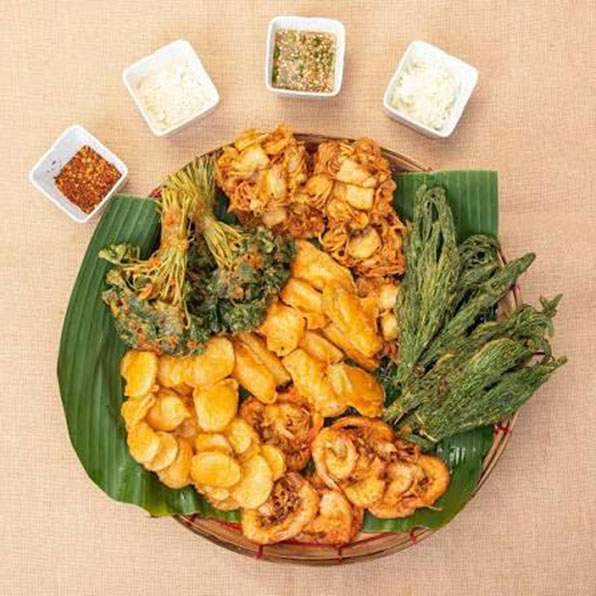
No culinary journey through Yangon is complete without experiencing Akyaw-Sone—a vibrant platter of assorted deep-fried golden fritters that reigns supreme as Myanmar’s favorite crispy snack. Deeply rooted in the country’s street food culture, these irresistible tempura-style delights are deeply tied to the warm, community-driven teahouse culture. Whether enjoyed during a cool morning drizzle, a lazy afternoon tea break, or as a crunchy topping over iconic dishes like Mohinga and Laphet Thoke, these fritters represent the golden essence of local comfort food.
The Anatomy of a Perfect Platter
Making authentic Myanmar fritters requires mastering the balance between a piping hot, crispy outer batter and a flavorful, tender interior.
-
-
- The Assorted Classics: A traditional platter features Akyaw-Sone—a rich variety of delicacies including crispy gourd fritters (Bu-Gyi-Kyaw), crunchy white or black bean cakes (Pae-Kyaw), savory sweet potato and banana fritters, spicy fried onion rings, and crispy tofu blocks (Tofu-Kyaw).
- The Signature Dip: Fritters are never eaten plain. They are always accompanied by a sweet, sour, and tangy tamarind dipping sauce (Ma-Gyi-Mee-Yay), spiked with crushed garlic, fresh green chilies, and coriander.
- The Golden Accompaniment: Akyaw-Sone is traditionally paired with hot, fragrant Myanmar Green Tea or sweet condensed-milk teahouse tea (Laphet-Yei), creating the ultimate local snacking experience.
-
Nutritional Insights & Calorie Count
While fritters are a delightfully crispy treat, they are oil-rich and calorie-dense. A single piece of gourd or bean fritter averages around 80 to 120 calories. A full assorted plate with 4–5 mixed fritters and dipping sauce ranges between 400 to 550 calories. While high in carbohydrates and healthy plant proteins from the beans, travelers wishing to keep their meal lighter can pair a few fritters with fresh green tea instead of sweet milk tea.
Where to Find It?
Akyaw-Sone is ubiquitous across Yangon. You will spot vendors frying them in large, bubbling cauldrons at early morning wet markets, bustling pavement stalls, neighborhood teahouses, and upscale local restaurants throughout the city.
Mont Sein Baung / Steamed Rice Cake
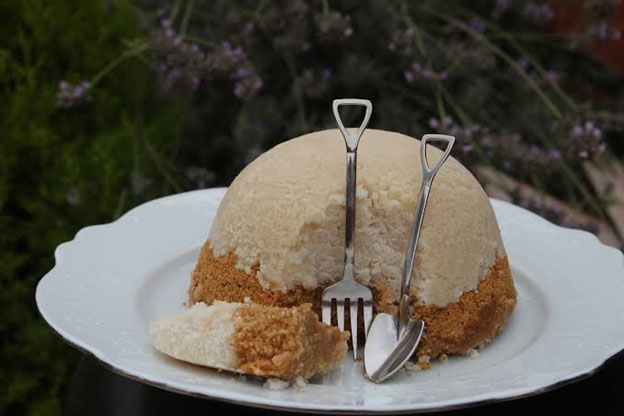
Simple, aromatic, and deeply comforting, Mont Sein Baung (Steamed Rice Cake) is a classic jewel of Myanmar’s traditional sweet treats (Mont). Historically rooted as a favorite afternoon snack, this delicate steamed cake showcases the beauty of combining humble local ingredients—rice flour, jaggery (palm sugar), and coconut—into a fragrant bite that captures the authentic flavor of Myanmar’s heritage.
The Anatomy of a Perfect Slice
Crafting Mont Sein Baung requires absolute precision in steaming to achieve its signature soft, bouncy, and slightly chewy texture.
-
-
- The Steamed Base: Made from a blended batter of rice flour and tapioca starch, sweetened naturally with unrefined dark jaggery syrup which gives the cake its rich, golden-brown hue and earthy aroma.
- The Coconut Topping: A generous layer of freshly grated white coconut kernel is showered over the warm cake, accompanied by a light sprinkle of toasted sesame seeds mixed with a pinch of salt.
- The Perfect Balance: The natural saltiness of the coconut and sesame perfectly balances the warm sweetness of the jaggery, creating a harmonious melt-in-your-mouth flavor profile.
-
Nutritional Insights & Calorie Count
Mont Sein Baung is a naturally gluten-free and low-fat treat compared to heavy, oil-based snacks. A standard slice (around 100 grams) averages between 180 to 230 calories. It provides quick, wholesome energy from complex carbohydrates and iron from unrefined jaggery. It is an excellent, lighter choice for travelers looking to sample local desserts without heavy calorie overload.
Where to Find It?
In Yangon, Mont Sein Baung is a beloved staple found everywhere from early morning street vendors carrying traditional bamboo trays to bustling local wet markets, traditional Myanmar teahouses, and modern heritage dessert shops across the city.
Htann Thi Mont / Toddy Palm Cake
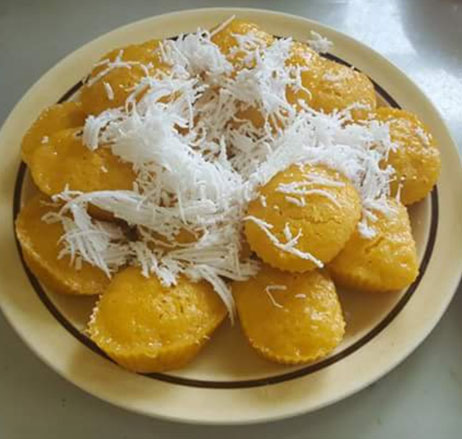
Golden, spongy, and infused with a distinct tropical aroma, Htann Thi Mont (Toddy Palm Cake) is one of Myanmar’s most beloved traditional baked sweets. Made from the rich, aromatic pulp of ripe toddy palm fruit, this vibrant yellow cake captures the authentic rustic flavors of Myanmar’s dry zone, where toddy palms naturally flourish. It is a timeless treat, cherished for its unique balance of earthy sweetness and fluffy texture.
The Anatomy of a Perfect Cake
Crafting authentic Htann Thi Mont relies on a natural fermentation process using traditional ingredients to achieve its airy, spongy consistency.
-
-
- The Palm Base: Ripe toddy palm fruit pulp is extracted and combined with rice flour, toddy palm sugar (jaggery), and a pinch of yeast or coconut water, then left to ferment naturally before being steamed or baked in round trays.
- The Coconut Topping: Once cooked, the warm cake is cut into diamond-shaped slices and topped with a generous sprinkle of freshly grated coconut kernel and a dash of toasted sesame seeds.
- The Distinct Flavor Profile: The natural bitterness of the palm fruit harmonizes with the rich sweetness of jaggery and the creamy saltiness of fresh coconut, offering a truly exotic flavor found nowhere else.
-
Nutritional Insights & Calorie Count
Htann Thi Mont is a wholesome, naturally sweetened snack that is low in fat and packed with plant-based nutrients. A standard portion (around 100 grams) contains approximately 190 to 240 calories. It offers clean energy from complex carbohydrates, along with essential minerals like potassium and iron from the natural toddy fruit and jaggery.
Where to Find It?
Throughout Yangon, Htann Thi Mont can be found at morning wet markets, mobile street vendors carrying traditional trays, neighborhood teahouses, and specialized heritage dessert shops.
Shwe Gye Sanwin Makin / Semolina Poppy Seed Cake
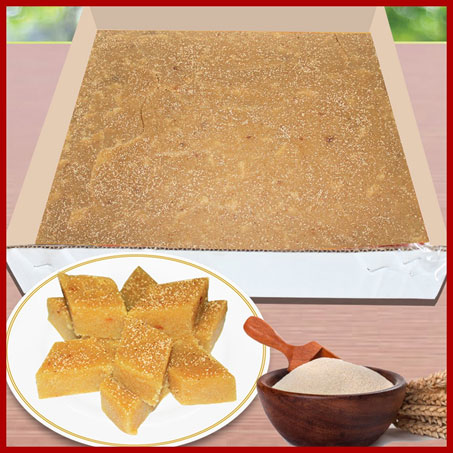
Rich, sweet, and wonderfully aromatic, Shwe Gye Sanwin Makin (Semolina Poppy Seed Cake) is undisputed royalty among Myanmar’s traditional baked desserts. Infused with coconut cream and fragrant cardamoms, this golden, caramelized cake is historically associated with celebratory feasts, Buddhist donation ceremonies (Ahlu), and festive gatherings. Its velvety texture and distinctive toasted poppy seed topping make it a unforgettable highlight of Myanmar’s sweet heritage.
The Anatomy of a Perfect Slice
Creating an authentic Sanwin Makin requires slow-cooking the batter on a stove before baking it to achieve its signature rich, dense, and moist consistency.
-
-
- The Semolina Base: Premium semolina (Shwe Gye) is gently toasted and simmered with thick coconut cream, sugar, butter (or clarified butter/ghee), and a pinch of salt until it forms a smooth, aromatic dough.
- The Golden Crust: The cake is traditional baked in shallow trays until the top forms a glossy, deeply caramelized golden-brown crust.
- The Poppy Seed Topping: A generous shower of tiny, crunchy white poppy seeds (Gaza) is sprinkled over the crust, adding a subtle nutty crunch and visually stunning contrast to every bite.
-
Nutritional Insights & Calorie Count
Shwe Gye Sanwin Makin is an indulgent, energy-rich dessert due to the inclusion of coconut cream and butter. A standard slice (around 100 grams) contains approximately 280 to 350 calories. While higher in calories than simple steamed rice cakes, it provides rich healthy fats from coconut and essential minerals like calcium and magnesium from semolina and poppy seeds. It is best enjoyed as a rich sweet treat paired with a hot cup of unsweetened Myanmar green tea.
Where to Find It?
In Yangon, Shwe Gye Sanwin Makin is widely available at traditional Myanmar teahouses, local wet market dessert stalls, heritage confectioneries, and high-end Myanmar restaurant buffets throughout the city.
Shwe Gye Sanwin Makin / Semolina Poppy Seed Cake
Rich, sweet, and wonderfully aromatic, Shwe Gye Sanwin Makin (Semolina Poppy Seed Cake) is undisputed royalty among Myanmar’s traditional baked desserts. Infused with coconut cream and fragrant cardamoms, this golden, caramelized cake is historically associated with celebratory feasts, Buddhist donation ceremonies (Ahlu), and festive gatherings. Its velvety texture and distinctive toasted poppy seed topping make it a unforgettable highlight of Myanmar’s sweet heritage.
The Anatomy of a Perfect Slice
Creating an authentic Sanwin Makin requires slow-cooking the batter on a stove before baking it to achieve its signature rich, dense, and moist consistency.
-
-
- The Semolina Base: Premium semolina (Shwe Gye) is gently toasted and simmered with thick coconut cream, sugar, butter (or clarified butter/ghee), and a pinch of salt until it forms a smooth, aromatic dough.
- The Golden Crust: The cake is traditional baked in shallow trays until the top forms a glossy, deeply caramelized golden-brown crust.
- The Poppy Seed Topping: A generous shower of tiny, crunchy white poppy seeds (Gaza) is sprinkled over the crust, adding a subtle nutty crunch and visually stunning contrast to every bite.
-
Nutritional Insights & Calorie Count
Shwe Gye Sanwin Makin is an indulgent, energy-rich dessert due to the inclusion of coconut cream and butter. A standard slice (around 100 grams) contains approximately 280 to 350 calories. While higher in calories than simple steamed rice cakes, it provides rich healthy fats from coconut and essential minerals like calcium and magnesium from semolina and poppy seeds. It is best enjoyed as a rich sweet treat paired with a hot cup of unsweetened Myanmar green tea.
Where to Find It?
In Yangon, Shwe Gye Sanwin Makin is widely available at traditional Myanmar teahouses, local wet market dessert stalls, heritage confectioneries, and high-end Myanmar restaurant buffets throughout the city.
Si Htamin / Sticky Rice with Sesame and Fried Onions
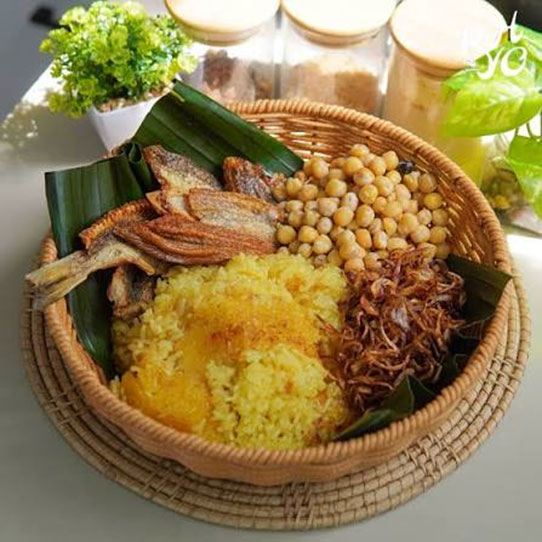
Savory, aromatic, and comforting, Si Htamin (Turmeric Sticky Rice with Garlic Oil) is a quintessential morning breakfast staple across Myanmar. Bathed in a rich golden turmeric hue, this aromatic sticky rice dish showcases the art of converting humble glutinous rice into a deeply satisfying, fragrant meal. Traditionally served on green banana leaves, it is a timeless local favorite enjoyed by workers, students, and morning teahouse visitors alike.
The Anatomy of a Perfect Plate
Crafting authentic Si Htamin requires infusing each individual grain with aromatic oils and rich natural color.
-
-
- The Golden Rice: Premium white glutinous rice is soaked with natural turmeric powder, giving it a vibrant golden color, and then steamed until sticky and tender.
- The Fragrant Infusion: Once steamed, the hot rice is gently tossed with pure peanut oil infused with slow-fried golden garlic or shallots, elevating its texture and giving it a glossy finish and rich aroma.
- The Savory Toppings: Every plate is generously topped with soft-boiled brown peas (Pae Pyoke), crushed toasted sesame salt, and a crispy heap of golden fried garlic or shallots.
- The Classic Pairings: It is traditionally enjoyed alongside a piece of fried dried salted fish or crisp Myanmar fritters (Akyaw), washed down with steaming green tea.
-
Nutritional Insights & Calorie Count
Si Htamin is a dense, high-energy meal designed to sustain a busy morning. A standard portion with brown peas, garlic oil, and sesame salt contains approximately 380 to 450 calories. Glutinous rice provides sustained complex carbohydrates, while brown peas deliver healthy plant-based protein and fiber. Pairing it with fried salted fish or fritters adds roughly 100 to 150 calories, bringing a fully loaded breakfast plate to around 500 to 600 calories.
Where to Find It?
In Yangon, Si Htamin is a ubiquitous morning delight. You will find early morning street vendors selling it fresh from traditional aluminum pots wrapped in cloth, as well as at neighborhood wet markets, local teahouses, and traditional breakfast joints throughout the city.
Mont Lone Yay Paw / Floating Rice Balls
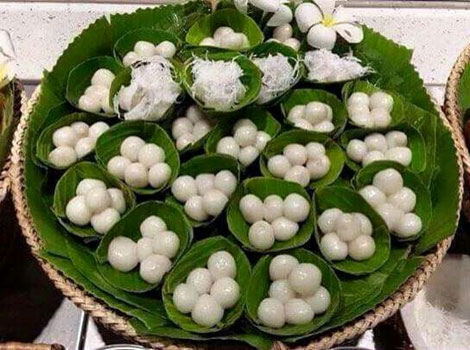
Fun, festive, and delightfully sweet, Mont Lone Yay Paw (Floating Rice Balls) is Myanmar’s most iconic celebratory dessert. Deeply associated with the vibrant Thingyan Water Festival (Myanmar New Year in April), these bite-sized sticky rice dumplings are traditionally prepared in lively community gatherings where friends and family roll, boil, and share them together. The name literally translates to “rice cake floating on water,” marking the exact moment the cooked dumplings float to the surface of the boiling cauldron, signaling they are ready to eat.
The Anatomy of a Perfect Plate
Crafting Mont Lone Yay Paw is a balance of chewy texture and a burst of molten sweet jaggery hidden inside.
-
-
- The Chewy Shell: Made from a simple blend of glutinous rice flour and soft rice flour kneaded with water into smooth, pliable dough balls.
- The Molten Center: A small chunk of unrefined palm sugar (jaggery) is tucked carefully inside each dough ball before shaping it round. As the dumpling boils, the jaggery melts into a rich, sweet syrup. (Watch out for the traditional Thingyan prank—locals occasionally hide a fiery bird’s eye chili inside a few balls for an unexpected surprise!)
- The Shredded Topping: Freshly boiled dumplings are immediately scooped out, drained, and served warm, topped with a generous pile of freshly grated white coconut kernel.
-
Nutritional Insights & Calorie Count
Mont Lone Yay Paw is a light, oil-free, and naturally gluten-free treat. A standard portion of 5 to 6 rice balls averages between 180 to 230 calories. It offers clean energy from glutinous rice and essential minerals like iron and potassium from pure jaggery. Because it is steamed/boiled rather than fried, it stands out as one of the healthier choices among local traditional sweets.
Where to Find It?
While omnipresent during the April Thingyan festival across every street corner, you can enjoy Mont Lone Yay Paw year-round in Yangon at night markets, morning wet market dessert stalls, traditional teahouses, and specialized local dessert shops.
Mont Pyat Hote / Mont Fet Hote (Steamed Banana Leaf Parcel)
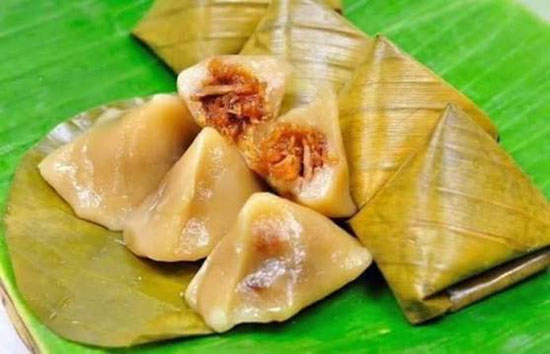
Fragrant, tender, and wrapped in nature’s own packaging, Mont Pyat Hote (or Mont Fet Hote) is a cherished traditional steamed rice parcel that highlights Myanmar’s eco-friendly culinary tradition. Encased in systematically folded green banana leaves and steamed to perfection, this delicate sweet treat unwraps to reveal a steaming, aromatic rice cake filled with rich, caramelized coconut. It is a timeless local favorite commonly enjoyed during morning teahouse breaks and traditional merit-making ceremonies.
The Anatomy of a Perfect Parcel
Crafting Mont Pyat Hote requires careful wrapping technique and precise timing to ensure the fragrance of the banana leaf infuses deeply into the dumpling.
-
-
- The Soft Outer Shell: A smooth, velvety batter made from glutinous rice flour and rice flour, gently sweetened and poured into a cup-shaped banana leaf fold.
- The Sweet Coconut Filling: The center is filled with A-Nhan—a rich, fragrant sweet filling made by slow-cooking freshly grated coconut kernel with natural dark jaggery syrup or brown sugar until glossy and caramelized.
- The Natural Infusion: As the parcel steams in traditional bamboo or aluminum multi-tier steamers, the natural essential oils from the green banana leaf seep into the dough, giving it a signature herbal aroma and preventing the cake from sticking.
-
Nutritional Insights & Calorie Count
Because Mont Pyat Hote is steamed rather than deep-fried, it is a healthy, low-fat snack option. A standard parcel (around 80 to 100 grams) contains approximately 160 to 210 calories. It offers clean carbohydrates from glutinous rice and iron from natural jaggery. It is an ideal, light choice for health-conscious travelers looking for an authentic, wholesome local treat.
Where to Find It?
In Yangon, Mont Pyat Hote is a classic morning sight. You can spot vendors selling these neatly tied banana leaf parcels at bustling morning wet markets, mobile street carts, traditional teahouses, and specialized heritage confectionery shops across the city.
Mont Lin Ma Yar / Couple Cake (Myanmar Twin Crepes)
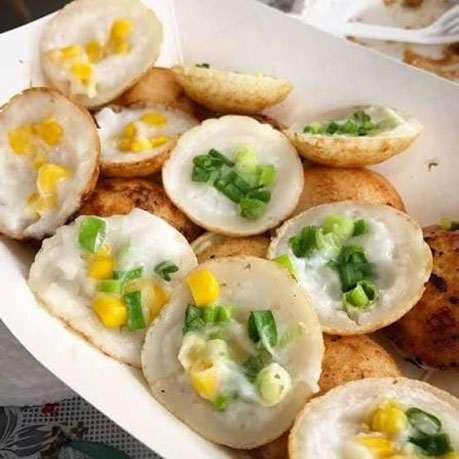
Charming, crispy, and delightful to eat, Mont Lin Ma Yar (Couple Cake or Married Couple Cake) is one of Myanmar’s most beloved street-side savory snacks. The name literally translates to “husband and wife cake,” referring to how two small, hemispherical rice batter halves are joined together in the hot pan to form a single, round dollop. Served piping hot straight from the skillet, it offers a wonderful contrast between a golden, crispy shell and a soft, molten center.
The Anatomy of a Perfect Plate
Crafting Mont Lin Ma Yar requires a specialized cast-iron skillet with multiple small, round indents over an open flame.
-
-
- The Crispy Batter: A light batter made from rice flour, a touch of turmeric, and salt is poured into the sizzling hot oil-brushed sockets of the skillet until the edges turn golden and crisp.
- The Savory Fillings: Before flipping, each half is filled with delicious toppings—commonly soft-boiled brown peas (Pae Pyoke), chopped spring onions, and a sprinkle of toasted salt and pepper.
- The Perfect Match: Two halves are merged together while cooking to trap the flavorful filling inside. Some vendors even drop a tiny quail egg inside the center for a rich, gourmet twist!
-
Nutritional Insights & Calorie Count
Mont Lin Ma Yar is a light, bite-sized snack enjoyed fresh and hot. A standard portion of 5 to 6 complete pairs contains approximately 220 to 280 calories (or around 320 calories if made with quail eggs). It provides complex carbohydrates from rice flour and a good source of plant-based protein and fiber from the brown peas.
Where to Find It?
Mont Lin Ma Yar is a classic Yangon street food experience. You can easily find skilled vendors pouring and flipping them at bustling evening night markets, roadside snack stalls near schools and wet markets, and traditional local food fairs throughout the city.